



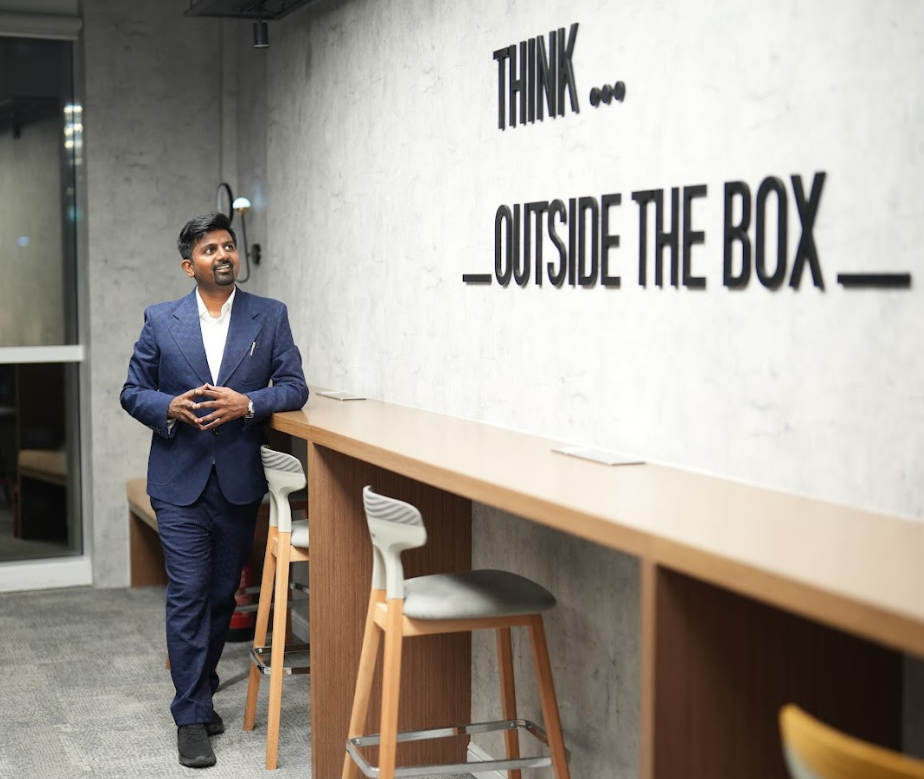
Growth Strategist support becomes critical when a business has a clear vision but struggles to turn ideas into consistent outcomes. Many leaders know where they want to go, yet execution feels scattered, delayed, or difficult to measure. Vision without structure often leads to effort without progress.
A focused approach helps leaders move from ambition to action. With the right guidance, businesses can define priorities, set realistic milestones, and track results with confidence. This is where structured guidance rooted in experience creates lasting impact.
Table of Contents
How a Growth Strategist Creates Clarity Between Vision and Action
A strategist bridges the gap between long-term vision and everyday execution. Leaders often know where they want to go but struggle with what to do next. Clear priorities, defined milestones, and practical action steps remove this gap. Strategy becomes easier to follow when teams understand what matters now and what comes later.
By breaking big goals into focused actions, alignment improves across leadership and teams. Decisions become simpler, progress is easier to measure, and effort is no longer wasted on low-impact tasks. This clarity ensures that vision turns into steady, measurable results instead of remaining an idea on paper.
Turning Vision Into Clear Direction
A strong vision sets intent, but direction comes from clarity. Leaders often juggle multiple goals without knowing which ones truly matter. Strategic guidance helps narrow focus and align decisions with long term objectives.
Through growth-focused coaching, leaders learn to break broad ideas into practical steps. This process replaces guesswork with thoughtful planning and improves consistency across teams.
Why Execution Fails Without Structure
Execution problems rarely come from lack of effort. They usually stem from unclear roles, shifting priorities, and weak accountability. Teams work hard but pull in different directions.
A strategist helps leaders create structure around goals. Clear ownership, timelines, and checkpoints turn plans into measurable action. This reduces confusion and improves follow through.
Aligning Teams With Business Goals
Growth requires alignment. When teams do not understand how their work supports the bigger picture, motivation drops and progress slows.
With growth-focused coaching, leaders learn how to communicate goals clearly and connect daily work to outcomes. Alignment strengthens trust and improves performance without adding pressure.
From Ideas to Systems That Work
Ideas drive innovation, but systems drive results. Many growing businesses rely on informal processes that stop working as complexity increases.
A Growth Strategist helps leaders design simple systems that support scale. These systems create consistency, reduce dependence on individuals, and make performance easier to track.
Decision Making Based on Data, Not Emotion
Emotional decisions often derail progress. Pressure, urgency, and fear can push leaders to act too quickly.
Through growth-focused coaching, leaders learn to evaluate options using data and reflection. This improves judgment and leads to decisions that support long term stability.
Leadership Growth and Measurable Progress
Businesses grow at the pace of their leaders. When leadership skills stagnate, results follow.
Guidance from experienced professionals Dr Dhiraj Jain supports leaders in strengthening clarity, discipline, and accountability. Leadership growth translates directly into better execution and measurable results.
Tracking What Truly Matters
Not all metrics reflect progress. Many businesses track activity instead of impact.
A strategist helps leaders identify meaningful indicators. These metrics reflect real performance and guide timely adjustments. Progress becomes visible and manageable.
Avoiding Common Growth Mistakes
Copying others, chasing trends, and expanding too fast often lead to setbacks.
With growth-focused coaching, leaders build strategies aligned with their own capacity and market reality. This reduces risk and protects momentum.
Building Confidence Through Consistency
Confidence grows when results are repeatable. Random wins do not build trust within teams.
Supports consistent execution across teams. Over time, this builds confidence based on clear processes and disciplined action rather than chance.
Pro Tips for Turning Vision Into Measurable Results
- Define outcomes before actions
Be clear about what success looks like before deciding how to act. Outcomes guide effort and prevent wasted work. - Limit priorities
Too many goals dilute focus. Choose a few critical objectives and commit fully. - Assign clear ownership
Every goal needs one accountable owner. Shared responsibility often means no responsibility. - Break goals into phases
Large goals feel overwhelming. Smaller phases make progress visible and manageable. - Track progress weekly
Regular review prevents surprises. Small adjustments early save time later. - Strengthen communication habits
Clear updates keep teams aligned. Silence creates assumptions and errors. - Build systems early
Do not wait for problems. Simple systems prevent future breakdowns. - Use feedback constructively
Feedback reveals blind spots. Treat it as data, not criticism. - Invest in leadership reflection
Pause to review decisions and outcomes. Reflection sharpens judgment. - Stay consistent under pressure
Consistency builds trust. Avoid changing direction too often.
Each of these steps reflects principles of growth-focused coaching and supports sustainable execution.
FAQs
Q1: How does a Growth Strategist help turn vision into results?
A Growth Strategist helps leaders clarify priorities and translate ideas into clear, measurable goals. They bring structure to execution by defining ownership, timelines, and accountability. This reduces confusion across teams and improves focus. Over time, results become more consistent and easier to track.
Q2: Why do many businesses struggle with execution?
Many businesses struggle because goals are unclear or change too often. Roles and accountability are not always well defined, which creates confusion. Teams may work hard but in different directions. Without structure, effort does not turn into results.
Q3: Can coaching improve decision making?
Coaching improves clarity by helping leaders slow down and think critically. It introduces discipline in how options are evaluated. Leaders become less reactive and more intentional. This leads to stronger and more stable decisions over time.
Q4: Is this approach useful for small businesses?
Yes, small businesses benefit greatly from clear structure and focus. Limited resources make prioritization even more important. Strategic guidance prevents wasted time and effort. Growth becomes more manageable and less stressful.
Q5: How long does it take to see measurable results?
Some clarity is often felt early in the process. Execution improves as habits and systems become consistent. Results depend on commitment and follow through. Long term impact builds steadily with disciplined action.
Conclusion
Turning vision into measurable results requires more than ambition. It requires clarity, structure, and disciplined execution. A Growth Strategist plays a critical role in helping leaders move from ideas to outcomes.Through structured guidance and growth-focused coaching, businesses learn to align teams, strengthen leadership, and track real progress. With experienced support from Dr Dhiraj Jain leaders gain the confidence and tools needed to convert vision into lasting results.
